Fire Alarm System Gurugram: Design, Installation & Maintenance | Zedex Fire Services

Fire Alarm System Gurugram

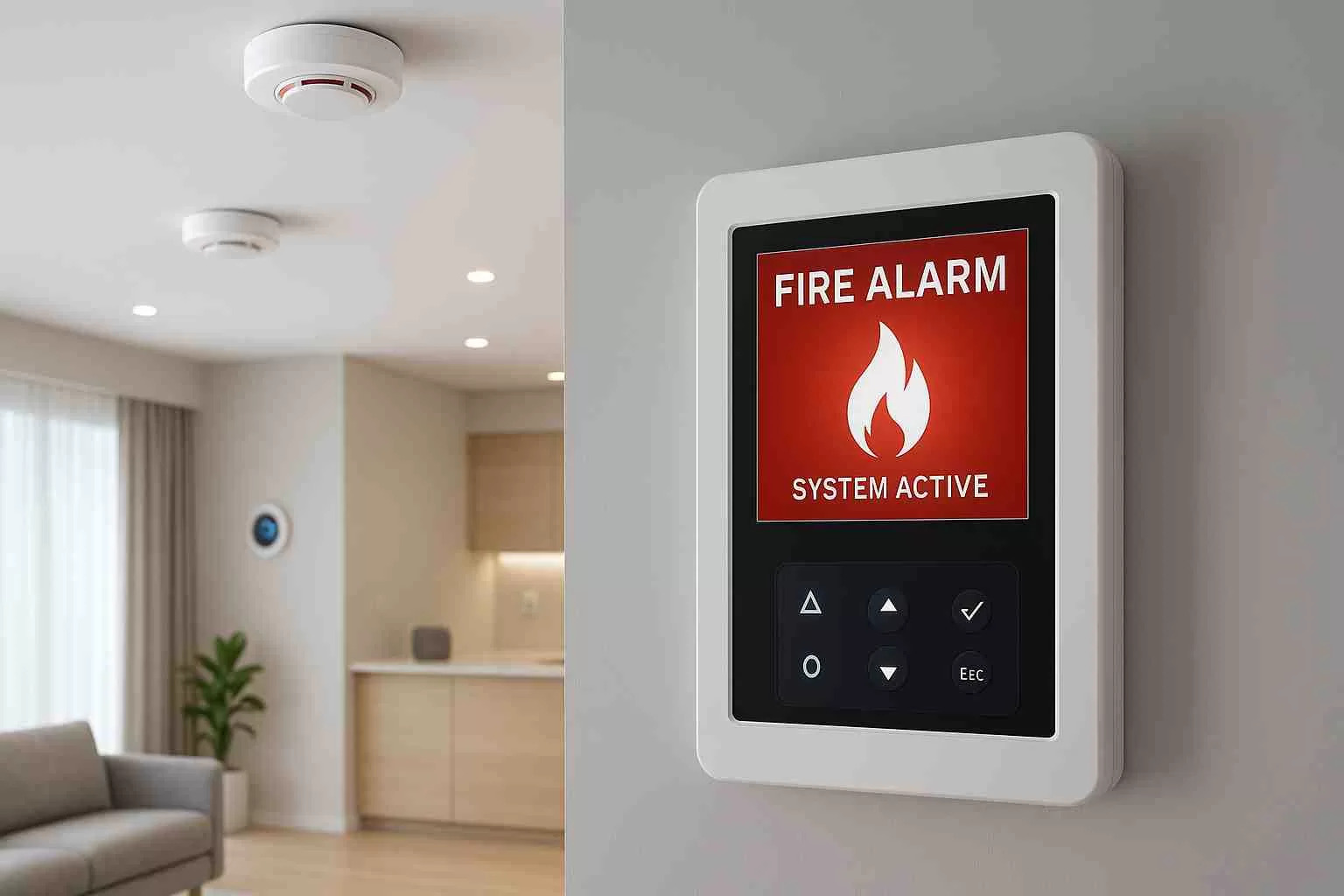
A fire alarm system detects signs of a possible fire and alerts people so they can respond quickly. Depending on its design, it may use smoke or heat detectors, manual call points, a control panel, and audible or visual warning devices.

For offices, residential buildings, commercial properties, and industrial facilities in Gurugram, the system should be selected according to the building’s layout, occupancy, fire risks, and applicable requirements. Zedex Fire Services supports fire safety equipment and services, including fire alarm systems.

How a Fire Alarm System Responds to a Fire

The system monitors designated areas for signs of fire. When a detector or manual call point sends a signal, the control panel processes it and activates the appropriate warnings.

The sequence is straightforward:

  1. A detector senses a possible fire condition, or someone activates a manual call point.
  2. The control panel receives the signal and identifies the relevant zone or device, depending on the system.
  3. Sounders, visual indicators, or other notification devices alert occupants.
  4. People follow the building’s emergency procedures and contact emergency services as required.

Some systems can also be connected to other building equipment. Any such integration should be planned and tested as part of the overall design.

Choosing Between Conventional and Addressable Systems

The building’s size, layout, and operational needs help determine which type of system is suitable.

Conventional systems divide a building into zones. When an alarm activates, the panel identifies the zone where the signal originated. This can be appropriate for some smaller or simpler premises.

Addressable systems assign individual addresses to compatible devices. The control panel can identify the specific device reporting an alarm or fault, which may help locate the source in larger or more complex buildings.

Wireless systems may also be considered in some settings, particularly where installing cables is difficult. Suitability depends on the building conditions, signal coverage, and system requirements.

Design the Coverage Around the Building

A fire alarm system should be designed for the site rather than selected from a generic equipment list. Detector placement, warning devices, and control equipment all need to reflect how the building is used.

Planning may consider:

  • Building layout, height, and occupancy
  • Potential fire hazards in each area
  • Environmental conditions that may affect detector performance
  • Suitable locations for detectors and manual call points
  • Whether alarms can be heard or seen throughout occupied areas
  • Evacuation routes and emergency procedures
  • Applicable codes, standards, and authority requirements

A qualified professional should assess the site and determine the appropriate system design.

The Equipment Behind the Alarm

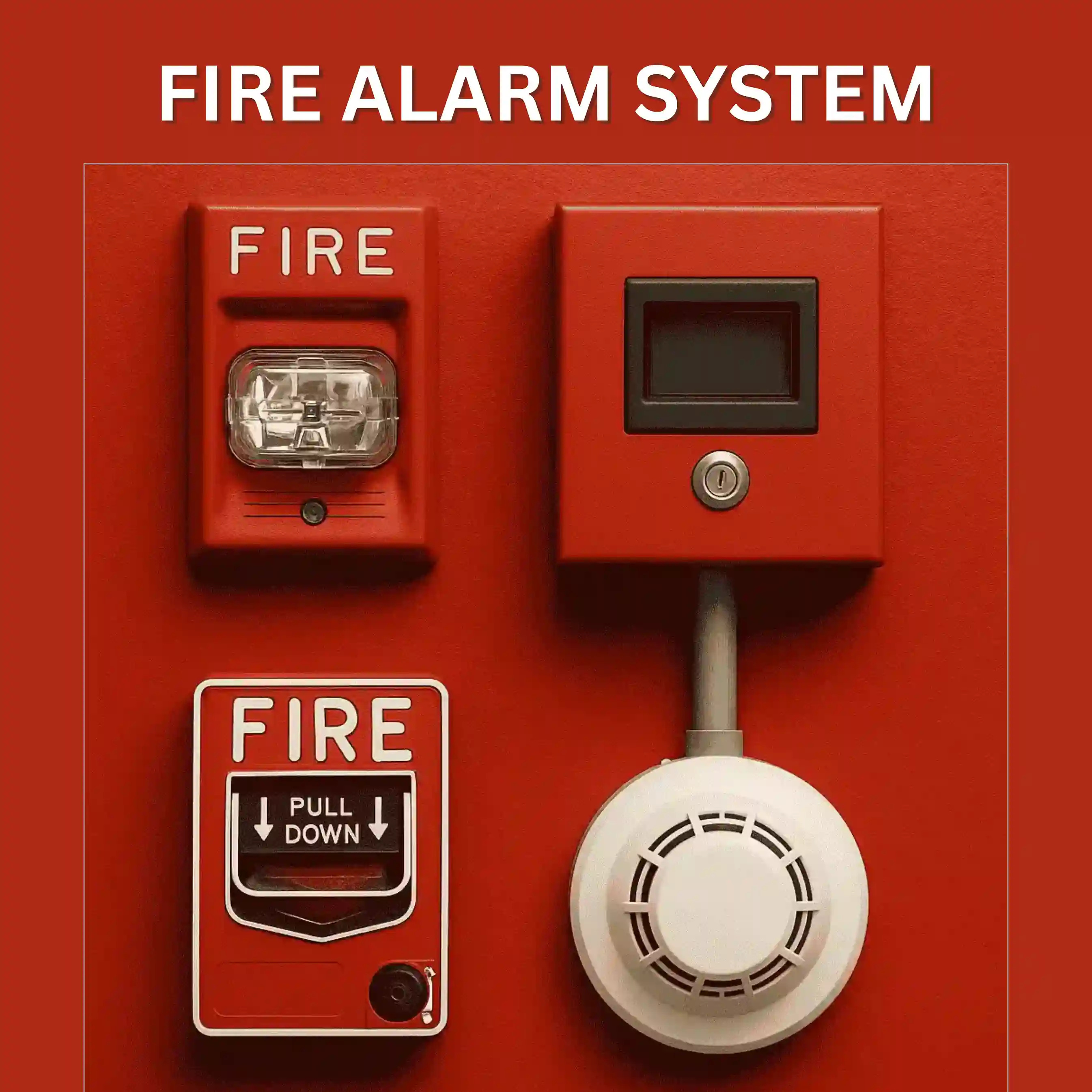
A fire alarm system may include several connected components:

  • Control panel: Receives signals and manages system alerts.
  • Smoke and heat detectors: Identify signs of a possible fire.
  • Manual call points: Allow a person to raise the alarm.
  • Sounders and visual indicators: Warn occupants.
  • Power supply and backup: Help the system operate during a power interruption, as designed.
  • Cabling or communication links: Connect devices to the panel.

The specific equipment and configuration depend on the system design and the conditions in the building.

Installation and Commissioning

Installation should follow the approved design, manufacturer instructions, and site requirements. It may involve fitting the control panel, detectors, manual call points, notification devices, and cabling or communication equipment.

Before handover, the system should be inspected, tested, and commissioned. Testing should confirm that devices communicate with the panel and that alarms and relevant integrations operate as intended. The building’s responsible personnel should receive operating information and instructions for responding to alarms and faults.

Installation and commissioning should be carried out by competent personnel.

Maintenance Is Part of System Readiness

A fire alarm system needs regular inspection and testing, even when no alarm has occurred. The maintenance plan should follow the equipment instructions, approved design, and applicable requirements.

Routine checks may include:

  • Testing detectors, manual call points, and notification devices
  • Reviewing control panel indications and fault signals
  • Checking power supplies and backup arrangements
  • Inspecting visible devices for damage or obstruction
  • Confirming that building changes have not affected coverage
  • Recording tests, repairs, and any system modifications

Repeated false alarms or unresolved faults should be investigated. They should not be ignored or dealt with by disabling the system without an appropriate assessment.

Connect the Alarm to the Wider Fire Safety Plan

A fire alarm system warns people; it does not itself extinguish a fire. Depending on the building’s needs, it may be coordinated with other fire protection measures, such as fire sprinkler systems or suitable fire extinguishers.

These systems have different purposes. Their selection and coordination should be based on the site’s risks, applicable requirements, and emergency procedures.

What to Review When Selecting a Provider in Gurugram

When comparing fire alarm system providers, look for a clear explanation of the proposed design and equipment. Ask how the system will cover the building, how installation and commissioning will be managed, and what inspection and maintenance support is available.

It is also useful to confirm that the handover includes system documentation, operating guidance, and information about how to report faults or arrange servicing.

A Clearer Warning System, Built Around the Site

A fire alarm system can provide an important early warning, but its value depends on suitable design, correct installation, reliable operation, and regular maintenance. The system should reflect the building’s actual risks and support a clear response plan.

Zedex Fire Services supports fire safety equipment and planning for properties in Gurugram. A site-specific assessment can help establish the right fire alarm approach for the building and its occupants.

Fire Suppression System Gurugram: Expert Design & Installation | Zedex Fire Services

Fire Suppression System

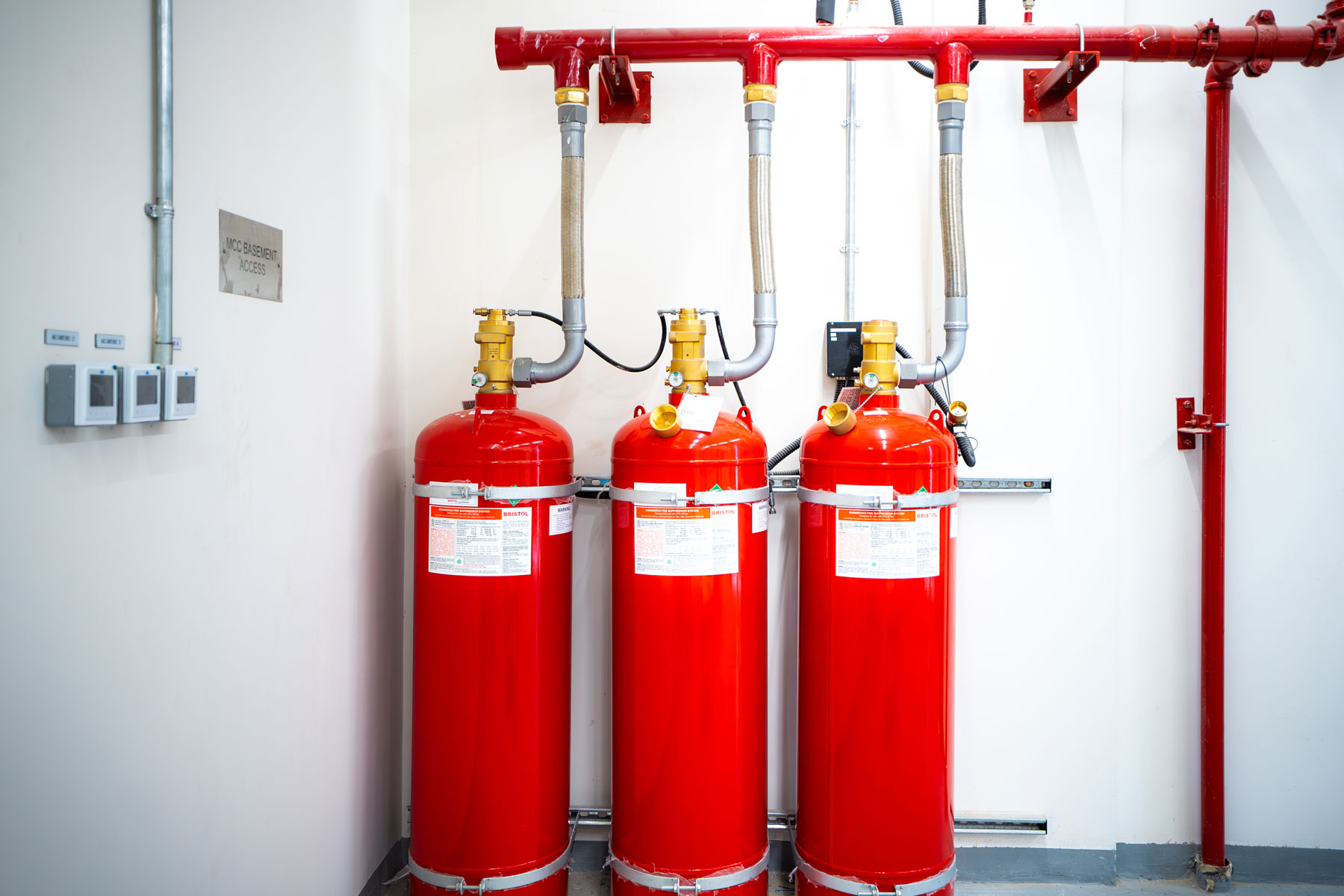
A fire suppression system is designed to control or extinguish a fire using an agent suited to the hazards in a particular area. Depending on the system, that agent may be water, foam, gas, or a specialised chemical. The right choice depends on what could catch fire, the environment, and the equipment or materials that need protection.

For facilities in Gurugram, selecting a fire suppression system begins with understanding the building’s risks and operational needs. Zedex Fire Services supports fire safety equipment and services, including fire suppression solutions.

Match the Suppression Method to the Fire Risk

There is no single suppression system that suits every building. A system designed for an electrical room may not be appropriate for a commercial kitchen or an industrial process area.

Common applications include:

  • Water-based systems: Used in suitable spaces where water is an appropriate extinguishing agent.
  • Clean-agent systems: Designed for specific enclosed areas and sensitive equipment, subject to agent suitability and safety requirements.
  • Foam systems: Used for certain flammable-liquid hazards where the selected foam and system design are appropriate.
  • Kitchen suppression systems: Designed for particular cooking-related fire risks, often protecting cooking equipment and associated extraction areas.
  • Specialised systems: Certain industrial or equipment hazards may require a system designed specifically for those conditions.

The selection should be made by qualified professionals using the site’s fire risk assessment and applicable requirements.

Start With a Site Assessment

Before selecting equipment, review the area that needs protection and how it is used. The assessment should identify likely ignition sources, combustible materials, occupancy, ventilation, and any sensitive equipment or processes.

A useful assessment considers:

  • The type and size of the hazard
  • Whether the space is occupied during operation
  • The effect of the suppression agent on people, equipment, and materials
  • The room layout, ventilation, and enclosure conditions
  • How the system will be activated and monitored
  • Whether additional detection, alarms, or shutdown controls are needed
  • Applicable codes, standards, and authority requirements

This information helps establish the design basis and reduces the risk of selecting a system that does not suit the application.

What Does a Fire Suppression System Include?

The equipment depends on the suppression method and the site. A system may include an extinguishing-agent supply, storage containers or tanks, pipework or discharge nozzles, detection devices, controls, alarms, and manual release or abort controls where appropriate.

Each part must be compatible with the chosen agent and designed for the area being protected. System documentation should identify how the equipment is intended to operate and what conditions are required for safe activation.

From Design to Installation

A well-planned installation follows the approved design and the manufacturer’s instructions. The process may involve preparing the layout, installing the agent supply and distribution equipment, positioning detection and discharge devices, and connecting controls or alarms.

Before handover, the system should undergo the required inspection, testing, and commissioning. The building’s responsible personnel should receive the relevant operating instructions, safety information, and maintenance requirements. Installation and commissioning should be handled by competent professionals.

Safety Considerations for Occupied Areas

Some suppression agents require additional precautions, particularly in enclosed or occupied spaces. The system design should consider how occupants will be warned, how evacuation will take place, and whether ventilation or other controls are needed before or after discharge.

The system should not be treated as a substitute for evacuation planning or emergency response. People who work in the protected area should understand the alarms, warning signals, and procedures that apply to their site.

Keep the System Ready After Installation

A suppression system needs planned inspection and maintenance so its components remain in suitable condition. The maintenance schedule should follow the manufacturer’s instructions, the approved design, and applicable requirements.

Depending on the system, checks may include:

  • Inspecting agent containers, cylinders, pipework, and discharge devices
  • Checking detection devices, controls, alarms, and power supplies
  • Confirming that nozzles and protected areas remain unobstructed
  • Reviewing any changes to room layout, equipment, or ventilation
  • Recording inspections, tests, repairs, and system modifications

Any fault, discharge, or change in the protected area should be assessed by competent personnel before the system is relied upon again.

How Suppression Fits Into the Wider Fire Safety Plan

A suppression system performs a specific role within a building’s overall fire protection arrangement. Depending on the site, other measures may include fire detection and alarm equipment, portable extinguishers, emergency lighting, escape routes, and staff training.

For example, fire alarm systems can provide warning, while suitable fire extinguishers may support an initial response to certain small fires when it is safe to do so. These measures should be coordinated based on the site’s risks.

What to Discuss With a Fire Suppression Provider in Gurugram

When evaluating a provider, ask how the proposed system addresses the specific hazard, what agent and equipment are being recommended, and what safety measures are required for the protected area.

It is also worth confirming the scope of design, installation, commissioning, documentation, and ongoing maintenance. A clear plan helps building owners understand how the system is intended to work and what responsibilities continue after installation.

Protection Begins With the Right Design

A fire suppression system is most effective when it is selected for the actual hazard and supported by careful design, professional installation, and regular maintenance. The system should also work alongside the building’s alarms, evacuation procedures, and other fire safety measures.

Zedex Fire Services supports fire safety planning and equipment requirements for properties in Gurugram. A site-specific assessment can help establish the right approach for the space, its risks, and its operational needs.

Fire Sprinkler System in Gurugram: Design, Installation & Maintenance | Zedex Fire Services

Fire Sprinkler System in Gurugram

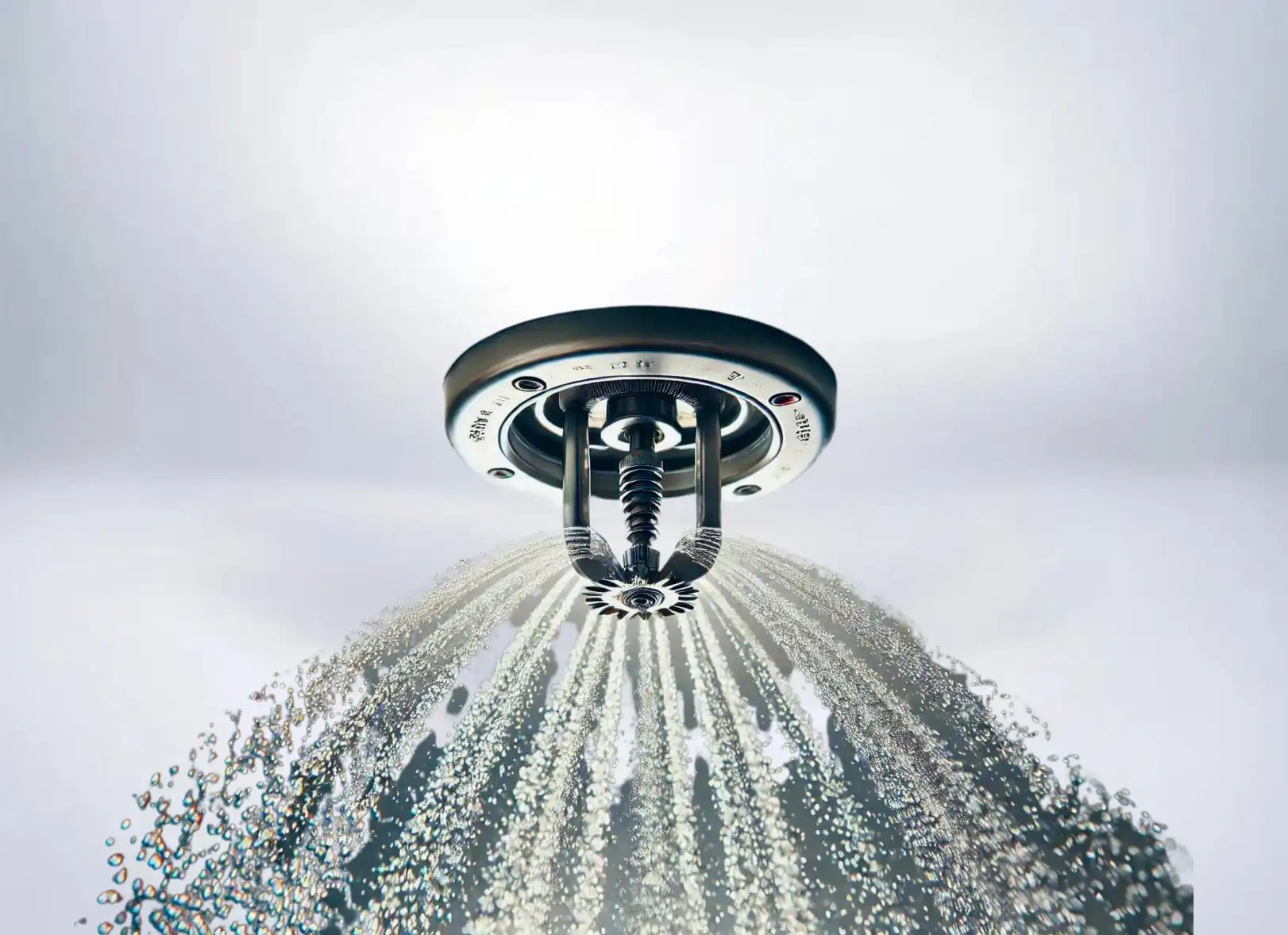
A fire sprinkler system is a fixed fire protection system designed to release water when its sprinkler heads are activated by heat. It can help control or suppress a fire near its point of origin, limiting its spread while people evacuate and emergency responders are contacted.

For commercial and industrial properties in Gurugram, the system should be designed for the building’s use, layout, fire hazards, water supply, and applicable requirements. Zedex Fire Services supports fire safety equipment and services, including sprinkler systems.

What Happens When a Sprinkler System Activates?

Most standard sprinkler heads operate individually when exposed to a specific temperature. When a head activates, water is discharged over the protected area. Other heads may activate if the fire’s heat reaches them.

A sprinkler system is not a replacement for alarms, evacuation procedures, or emergency response. It is one part of a coordinated fire safety plan.

Choosing a System That Matches the Site

The right sprinkler arrangement depends on the building’s environment and the materials or processes inside it. System selection should be based on a qualified assessment rather than a one-size-fits-all approach.

Common system types include:

  • Wet-pipe systems: Pipes are normally filled with water and discharge when a sprinkler head activates. They are commonly used where freezing is not a concern.
  • Dry-pipe systems: Pipes contain pressurised air or gas, with water admitted after system activation. They may be considered in areas where freezing conditions are possible.
  • Pre-action systems: Water is admitted to the sprinkler piping after a specified detection or activation sequence. These systems may be used where additional safeguards against accidental water discharge are important.
  • Deluge systems: Open sprinkler or nozzle outlets discharge water when the system’s release mechanism operates. They are designed for particular high-hazard applications.

The suitable type depends on the site’s risks, operating conditions, and design requirements.

Design Starts With the Building

A sprinkler system design needs to account for the building’s purpose and physical conditions. A warehouse, office, hotel, and manufacturing facility may have very different protection needs.

Design considerations can include:

  • Building layout, height, and occupancy
  • Fire hazards and the materials stored or used
  • Ceiling structure and obstructions
  • Sprinkler head type, spacing, and placement
  • Water supply, storage, and pumping requirements
  • Pipe routing and access for inspection
  • Coordination with other building services
  • Applicable codes, standards, and authority requirements

A qualified professional should determine the system design and verify that it meets the requirements for the specific property.

The Main Parts of a Sprinkler System

The components vary with the system type, but a typical installation may include:

  • Sprinkler heads: Discharge water when activated.
  • Pipe network: Carries water to the sprinkler heads.
  • Control valves: Help manage and isolate sections of the system.
  • Water supply and pumps: Provide the required water source and pressure, where needed.
  • Alarm and monitoring devices: Indicate system operation or changes in status, as designed.
  • Supports and fittings: Secure the pipework and connect system components.

Correct selection and installation help ensure that the components work together as intended.

Installation and Commissioning

Installation should follow approved drawings, manufacturer instructions, and site requirements. The work may involve fitting the pipe network and sprinkler heads, installing valves and pumps, connecting monitoring devices, and coordinating with other building systems.

Before handover, the system should undergo the required inspection, testing, and commissioning. Any identified defects should be addressed, and the owner or facilities team should receive the relevant operating and maintenance information. Installation and commissioning should be carried out by competent personnel.

Maintenance Keeps the System Ready

A sprinkler system needs routine inspection and maintenance, even if it has never activated. Checks should follow the equipment instructions, approved design, and applicable requirements.

Maintenance may include:

  • Checking valves and ensuring they remain in the correct position
  • Inspecting sprinkler heads for damage, paint, obstruction, or corrosion
  • Looking for leaks or visible pipework damage
  • Testing pumps, alarms, and monitoring devices as required
  • Confirming that access to equipment remains clear
  • Recording inspections, tests, repairs, and any system changes

Changes to the building’s layout, storage, or use should be reviewed because they may affect sprinkler coverage or performance.

How Sprinklers Work With Other Fire Safety Measures

Sprinklers are designed to respond to heat and discharge water; they do not provide the same function as a fire alarm. A complete fire safety plan may also include detection and warning equipment, evacuation procedures, emergency lighting, staff training, and suitable portable extinguishers.

For example, fire alarm systems can alert occupants, while fire extinguishers may be used for certain small fires when it is safe to do so. These measures should be selected and coordinated according to the building’s risks.

What to Review When Selecting a Sprinkler System Provider

When comparing providers in Gurugram, ask how the proposed system will address the site’s specific risks and requirements. Review the design basis, equipment specifications, installation plan, commissioning process, and arrangements for future maintenance.

It is also useful to confirm who will be responsible

Fire Hydrant System Gurugram: Design, Installation & Maintenance | Zedex Fire Services

Fire Hydrant System Gurugram

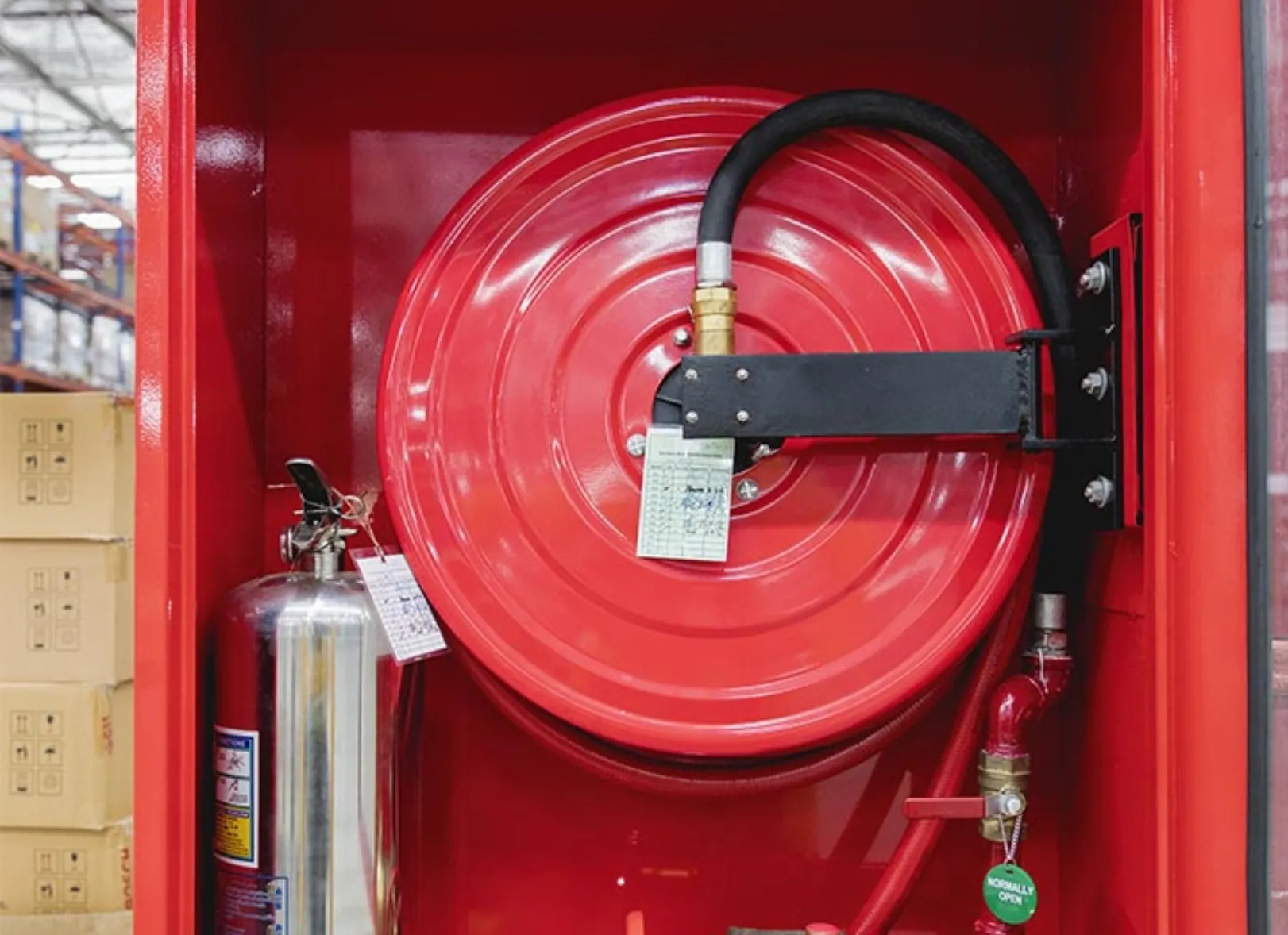
A fire hydrant system provides designated water outlets for trained responders during a fire emergency. In commercial buildings, factories, warehouses, and other facilities, it can form an important part of the site’s fire protection plan.

For properties in Gurugram, the system needs to be designed around the building’s layout, occupancy, potential fire hazards, water supply, and applicable requirements. Zedex Fire Services supports fire safety equipment and services, including fire hydrant systems.

From Water Supply to Hydrant Point: How the System Works

A hydrant system moves water from an approved source to selected points around a property. Depending on the design, the arrangement may include a water tank, pumps, pipework, valves, hydrant outlets, and hose equipment.

When a fire occurs, trained responders access the designated outlet, connect the appropriate equipment, and use the water supply as part of the emergency response. The system’s operation depends on its design and should be covered by site procedures and training.

Planning the System Around the Building

The design process should start with the site—not a standard equipment list. A system suitable for one building may not be appropriate for another because height, occupancy, layout, fire hazards, and water availability can differ significantly.

Key planning considerations include:

  • The building’s use, size, and layout
  • Areas with higher fire risk
  • Water availability and storage needs
  • Required flow and pressure under the applicable design criteria
  • Pump arrangement and power supply
  • Pipe routes, hydrant locations, and responder access
  • Protection of equipment from damage or obstruction
  • Inspection, testing, and maintenance access

The final design should be prepared or reviewed by qualified professionals in accordance with applicable codes, standards, and authority requirements.

What Goes Into a Fire Hydrant System?

The equipment selected for a project depends on its approved design. Common elements may include:

  • Water supply or storage: Provides the water required by the system.
  • Fire pumps: Deliver water through the network as specified by the design.
  • Pipework: Distributes water to hydrant points.
  • Hydrant valves and outlets: Provide connection points for firefighting equipment.
  • Hoses and related equipment: Allow trained responders to direct water.
  • Valves and controls: Support system operation, isolation, and maintenance.

Each component needs to be compatible with the rest of the system and suitable for the conditions in which it will operate.

Installation: Turning the Design Into a Working System

Installation should follow approved drawings, equipment instructions, and site requirements. Work may include setting up the water supply and pumps, installing pipework and hydrant outlets, and connecting valves and controls.

Before the system is put into service, it should undergo the required inspections, testing, and commissioning. Any issues identified during these checks should be resolved and documented. Installation and commissioning should be handled by competent personnel.

Keeping the System Ready After Installation

A hydrant system may remain unused for long periods, so planned inspection and maintenance are essential. A maintenance programme should follow the equipment instructions, approved system design, and applicable requirements.

Checks may include looking for leaks, corrosion, damage, or blocked access; testing pumps and controls; confirming water availability and system performance; and keeping records of inspections, tests, and repairs. Changes to the building or its use should also be reviewed to determine whether the system needs adjustment.

How the Hydrant System Fits Into the Wider Safety Plan

A hydrant system is not a complete fire safety plan on its own. Depending on the building’s risks, other measures may include alarm and detection equipment, portable extinguishers, emergency lighting, clear escape routes, and staff training.

For example, fire alarm systems provide warning, while suitable fire extinguishers can support an initial response to certain small fires when it is safe to do so. These systems have different roles and should be planned together where required.

Choosing a Provider in Gurugram

When reviewing a fire hydrant system provider, look beyond the equipment list. Ask how the proposed design will address the site’s risks, what documentation will be provided, how installation and commissioning will be managed, and what support is available for inspection and maintenance.

A useful starting point is a site-specific assessment. It helps identify the building’s needs and provides a clearer basis for selecting equipment and planning the system.

For larger premises, a hydrant system may also need to be considered alongside other measures, such as fire hydrant system solutions, based on the building’s requirements.

A Reliable System Starts With Good Planning

A fire hydrant system can provide an important water supply for emergency response, but its performance depends on more than installation alone. Careful design, suitable equipment, commissioning, and regular maintenance all contribute to system readiness.

For buildings in Gurugram, Zedex Fire Services can help customers understand fire hydrant system requirements and related fire safety measures. The right approach begins with assessing the site and building a system around its actual needs.

Fire Extinguisher Supplier & Dealer in Gurugram | Zedex Fire Services

Fire Extinguisher Supplier & Dealer in Gurugram

A fire extinguisher supplier in Gurugram can help homes, offices, shops, and industrial facilities choose equipment suited to their fire risks. Zedex Fire Services supports fire safety planning by helping customers understand different extinguisher types, their intended uses, and the importance of proper maintenance.

The right extinguisher depends on the materials present, the type of fire that could occur, and the environment where the equipment will be kept. Choosing by price or appearance alone may leave a building with equipment that is unsuitable for its hazards.

Why Is Choosing the Right Fire Extinguisher Important?

Different fires require different extinguishing agents. Using an unsuitable extinguisher can be ineffective and may create additional danger—for example, water should not be used on live electrical equipment.

Before selecting an extinguisher, consider:

  • The likely fire risks in the area
  • The materials and equipment present
  • The size and layout of the premises
  • Whether staff or occupants can safely access and use the extinguisher
  • Applicable fire safety requirements and professional recommendations

A site assessment can help determine the appropriate type, capacity, and placement.

What Types of Fire Extinguishers Are Commonly Used?

The extinguisher should match the fire risk. Common types include:

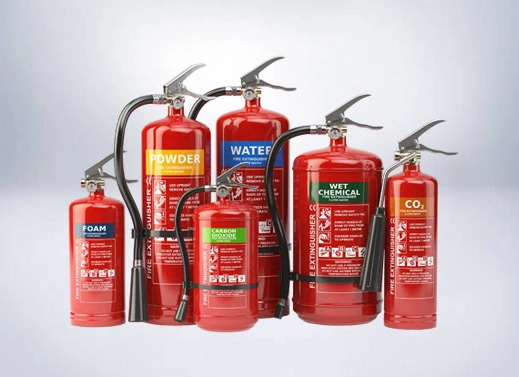
ABC Dry Powder Fire Extinguishers

ABC extinguishers are used for certain fires involving ordinary combustible materials, flammable liquids, and gases. They are often considered for mixed-risk environments, but the exact suitability should be checked against the hazards and equipment in the area.

CO₂ Fire Extinguishers

Carbon dioxide extinguishers are commonly used for certain flammable-liquid and electrical-equipment fire risks. They do not leave powder residue, but they are not suitable for every fire type and should be selected with the surrounding environment in mind.

Foam Fire Extinguishers

Foam extinguishers may be suitable for certain fires involving flammable liquids and ordinary combustible materials. They should not be used on live electrical equipment unless the specific product is rated for that use.

Water-Based Fire Extinguishers

Water extinguishers are intended for certain fires involving ordinary combustible materials, such as paper and wood. They must not be used on live electrical equipment or flammable-liquid fires.

For product options, see Zedex Fire Services’ fire extinguisher range.

Which Fire Extinguisher Is Suitable for Your Building?

The best choice depends on the use of the space and its potential hazards.

  • Homes and residential buildings: Consider common household fire risks, access, and the needs of occupants.
  • Offices and commercial premises: Review electrical equipment, storage areas, kitchens, and escape routes.
  • Shops and showrooms: Consider the materials on display, storage conditions, and electrical equipment.
  • Warehouses and industrial facilities: Assess stored materials, processes, machinery, and any specialised hazards.

These are general considerations, not a substitute for a fire risk assessment. A qualified professional can recommend suitable equipment and placement for the specific premises.

What Should You Check Before Buying a Fire Extinguisher?

Before purchasing, confirm that the extinguisher is appropriate for the intended fire risk and that its documentation and condition are satisfactory.

Check the following:

  • Type and rating: Make sure the extinguisher is intended for the hazards in the area.
  • Capacity and handling: Choose equipment that can be accessed and handled safely by intended users.
  • Product information: Review the label, instructions, and relevant certification or compliance information.
  • Condition: Check for visible damage, corrosion, leakage, or other signs of deterioration.
  • Service support: Confirm how inspection, refilling, servicing, and replacement will be managed.

Ask a supplier to explain the product’s intended use and any limitations before making a selection.

How Should Fire Extinguishers Be Installed and Maintained?

Extinguishers should be positioned where they can be reached easily without blocking escape routes or exposing users to unnecessary risk. Their location should be clearly indicated, and occupants should know where they are and how to raise the alarm.

Regular inspection and maintenance are also important. Follow the manufacturer’s instructions and applicable requirements, and arrange servicing by competent personnel. Any extinguisher that is damaged, discharged, or otherwise unfit for use should be assessed and replaced or serviced as appropriate.

Fire extinguishers are only one part of a building’s fire protection plan. Depending on the site, other measures may include fire alarm systems, emergency lighting, evacuation procedures, and staff training.

Why Consider Zedex Fire Services for Fire Safety Equipment in Gurugram?

Selecting fire safety equipment involves more than choosing a product. It also means understanding the risks in the building, selecting suitable equipment, and planning for ongoing readiness.

Zedex Fire Services works in the fire safety equipment and services sector. Customers can discuss their site requirements and seek guidance on selecting suitable products and related fire protection measures. The final choice should always be based on the building’s specific risks and applicable requirements.

For larger premises, a fire safety plan may also need coordinated protection measures, such as fire hydrant systems, where appropriate to the site.

Frequently Asked Questions

Where should I place a fire extinguisher?

Place extinguishers where they are visible and accessible, near relevant risk areas but not where a fire could prevent people from reaching them. Follow applicable requirements and professional guidance for exact placement.

Can one extinguisher be used for every type of fire?

No. Extinguishers are designed for specific fire risks. Check the extinguisher’s label and make sure it is suitable for the materials and equipment in the area.

How often should a fire extinguisher be checked?

Inspection and servicing intervals depend on the extinguisher, manufacturer’s instructions, and applicable requirements. Establish a regular inspection process and arrange servicing by competent personnel.

Should employees receive fire extinguisher training?

Yes, where employees may be expected to use extinguishers, suitable training can help them understand safe operation and when evacuation is the better response. People should never attempt to fight a fire if doing so puts them at risk.

Conclusion

Choosing a suitable fire extinguisher is an important part of protecting people, property, and business operations. The right equipment depends on the fire risks in the building, and it must be installed, inspected, and maintained so it is ready when needed.

For homes, offices, commercial premises, and industrial facilities in Gurugram, Zedex Fire Services can help customers understand fire extinguisher options and related fire safety requirements. A considered selection, supported by professional guidance and a clear emergency plan, can help create a safer environment.

Zedex Fire Services: Your Trusted Partner for Comprehensive Fire Safety Solutions in Delhi NCR and India

Fire Safety Solutions in Delhi NCR and India

Zedex Fire Services provides comprehensive fire safety solutions in Delhi NCR and across India, helping businesses, industries, and residential properties protect lives and assets through reliable fire protection equipment, installation, and maintenance services. From fire extinguishers and fire alarm systems to fire hydrant systems, sprinklers, and specialised fire suppression systems, we offer solutions designed to address different fire hazards and safety requirements.

Based in Gurugram, Haryana, Zedex Fire Services understands the importance of having dependable fire protection systems in place. Our focus is on helping customers identify suitable fire safety equipment and build safer environments through effective fire prevention, detection, and protection measures.

Why Is Fire Safety Important for Every Business?

Fire safety is an essential part of protecting people, property, and business operations. A fire can spread rapidly, causing injuries, property damage, and significant operational disruption.

For businesses in Delhi NCR and other parts of India, a well-planned fire safety arrangement helps reduce risks and prepares occupants to respond effectively during emergencies.

Effective fire safety measures help businesses:

  • Protect employees, visitors, and customers.
  • Reduce the risk of fire-related property damage.
  • Minimise operational interruptions and financial losses.
  • Improve emergency preparedness and evacuation procedures.
  • Support compliance with applicable fire safety regulations.
  • Create a safer working environment.

At Zedex Fire Services, we believe that effective fire protection begins with understanding the risks associated with each property and selecting the right equipment for those risks.

What Fire Safety Solutions Does Zedex Fire Services Provide?

Different properties face different fire hazards. An industrial facility, for example, may require a different fire protection arrangement from an office building, warehouse, or residential complex.

Our range of fire safety products and services is designed to address these varying requirements.

1. Fire Extinguishers for Different Fire Hazards

Fire extinguishers are among the most important components of a fire safety arrangement. They provide a first line of defence against small fires when used correctly and when it is safe to do so.

Zedex Fire Services offers different types of fire extinguishers, including ABC dry powder, CO₂, and foam extinguishers.

Common applications include:

  • ABC dry powder extinguishers for suitable ordinary combustible, flammable liquid, and electrical fire risks.
  • CO₂ extinguishers for certain electrical equipment and flammable liquid fire risks.
  • Foam extinguishers for suitable ordinary combustible and flammable liquid fires.

Choosing the right fire extinguisher depends on the type of fire hazard, the location, and the equipment being protected.

2. Fire Alarm and Detection Systems

How quickly can people respond when a fire starts?

A fire alarm system helps occupants recognise a potential emergency and begin taking appropriate action.

Zedex offers fire alarm and detection systems that may include smoke detectors, heat detectors, manual call points, alarm panels, and audible or visual warning devices.

These systems are important for offices, factories, warehouses, hotels, hospitals, educational institutions, and residential buildings.

A properly designed fire alarm system helps provide early warning, allowing occupants to begin evacuation and emergency procedures promptly.

3. Fire Hydrant Systems for Commercial and Industrial Properties

Fire hydrant systems provide access to water for firefighting and are commonly installed in large commercial, industrial, and residential developments.

A typical system includes a network of pipes, hydrant outlets, valves, and associated equipment. Depending on the building’s requirements, it may also include fire pumps and dedicated water storage.

Zedex provides fire hydrant systems for properties with suitable firefighting water supply and distribution requirements.

Fire hydrant systems are particularly important for:

  • Manufacturing facilities and industrial plants.
  • Warehouses and logistics centres.
  • Large commercial buildings.
  • Residential and mixed-use developments.

The system must be designed according to the property’s fire risks, layout, water supply requirements, and applicable fire protection standards.

4. Fire Sprinkler Systems for Automatic Fire Protection

Fire sprinkler systems provide automatic fire protection by discharging water when individual sprinkler heads are activated by sufficient heat.

These systems can help control or suppress a fire before it spreads further, depending on the system design and fire conditions.

Zedex offers fire sprinkler systems for commercial buildings, warehouses, hotels, offices, and industrial facilities.

The design and installation of a sprinkler system should consider the building layout, occupancy, ceiling height, water supply, and applicable fire safety requirements.

5. Fire Suppression Systems for Specialised Applications

Certain fire hazards require specialised protection beyond conventional water-based systems.

Fire suppression systems are designed to control or extinguish fires using suitable extinguishing agents and system configurations.

Depending on the application, these systems may be considered for electrical rooms, machinery, commercial kitchens, and other areas with specific fire risks.

Selecting the appropriate system requires an assessment of the fire hazards, the equipment being protected, and the requirements of the space.

6. Emergency Lights and Glow Signage

During a fire emergency, smoke, power failures, and confusion can make it difficult for occupants to identify safe exit routes.

Emergency lights and glow signage help people locate evacuation routes when normal lighting is unavailable.

These systems are particularly important in office buildings, commercial complexes, factories, warehouses, hospitals, and residential buildings.

Emergency lighting and signage should be positioned according to the building’s evacuation layout and applicable requirements.

How Does Zedex Fire Services Support Fire Safety Across Delhi NCR and India?

Choosing a fire safety equipment supplier involves more than comparing product prices. Businesses need to consider equipment suitability, installation quality, maintenance requirements, and technical support.

At Zedex Fire Services, we provide a range of fire safety products and services to support different stages of a fire protection project.

Our services include:

  • Supply of suitable fire safety equipment.
  • Installation of fire protection and detection systems.
  • Fire safety system inspection and maintenance.
  • Fire extinguisher servicing and refilling.
  • Support for system upgrades and replacement requirements.

Based in Gurugram, Haryana, we serve customers with varying fire safety requirements and support projects in Delhi NCR and other parts of India, subject to project location and service availability.

Our approach focuses on understanding each customer’s requirements and helping them identify appropriate fire protection solutions.

What Should Businesses Consider Before Choosing a Fire Safety Company?

Selecting the right fire safety company is an important decision for any business. The provider should understand the risks associated with the property and recommend equipment that meets its requirements.

Before choosing a fire safety equipment supplier or installation partner, consider the following:

  • Product suitability: Are the proposed fire extinguishers and systems appropriate for the identified fire hazards?
  • Applicable standards: Do the products and installations meet relevant Indian standards and local requirements?
  • Installation expertise: Does the provider have the technical capability to install and commission the proposed systems?
  • Maintenance support: Can the provider explain inspection, testing, servicing, and maintenance requirements?
  • Documentation: Will the required product specifications, inspection records, and installation documents be provided?
  • After-sales service: Is there a clear process for addressing servicing requirements, faults, and equipment replacement?

Businesses should verify the applicable approvals and certifications for their specific project rather than relying solely on general claims about a supplier.

Why Is Regular Fire Safety Maintenance Necessary?

Installing fire safety equipment is only the beginning. Systems must be maintained to help ensure that they remain functional and accessible.

An extinguisher with insufficient pressure, a faulty alarm detector, or a blocked sprinkler head can affect the performance of a fire protection system.

A practical fire safety maintenance programme should include:

  • Checking fire extinguishers for accessibility, damage, and service requirements.
  • Inspecting fire alarm panels, detectors, and notification devices.
  • Checking fire hydrant equipment, valves, and associated components.
  • Inspecting sprinkler systems and ensuring that sprinkler heads are unobstructed.
  • Testing emergency lights and exit signage as required.
  • Maintaining inspection records and resolving identified defects.
  • Providing employees with appropriate fire safety awareness and emergency response training.

Inspection and testing schedules should follow applicable standards, equipment instructions, and the requirements of the particular property.

Frequently Asked Questions About Fire Safety Solutions

Which fire safety equipment is essential for a commercial building?

The required equipment depends on the building’s size, occupancy, fire hazards, and applicable regulations. Common provisions include fire extinguishers, fire alarm and detection systems, emergency lighting, and appropriate firefighting arrangements.

How do I choose the right fire extinguisher for my business?

Start by identifying the types of fire hazards present in the building. Different extinguishers are suitable for different fire classes, so selection should be based on a proper assessment of the risks and the extinguisher’s approved rating.

Does Zedex Fire Services provide fire protection systems in Delhi NCR?

Zedex Fire Services is based in Gurugram, Haryana, and offers a range of fire safety equipment and system installation services. Businesses in Delhi NCR can discuss their specific project and service requirements with the company.

Why should fire safety equipment be inspected regularly?

Regular inspection helps identify damage, faults, obstructions, and servicing requirements that could affect the performance of fire safety equipment during an emergency.

Can fire safety equipment help businesses meet fire safety requirements?

Suitable fire safety equipment is an important part of meeting applicable fire safety requirements. However, compliance depends on the complete building, its systems, documentation, maintenance, and the relevant authority’s requirements.

Conclusion

Fire safety requires a combination of suitable equipment, reliable installation, regular maintenance, and effective emergency preparedness.

At Zedex Fire Services, we are committed to helping businesses, industries, and residential properties identify appropriate fire safety solutions for their requirements. From fire extinguishers and fire alarm systems to hydrants, sprinklers, and specialised fire suppression systems, our range of products and services supports different fire protection needs.

With our presence in Gurugram and our focus on serving customers in Delhi NCR and across India, we aim to contribute to safer workplaces, buildings, and communities through dependable fire safety solutions.

Zedex Fire Services — Your trusted partner for comprehensive fire safety solutions in Delhi NCR and India.

The Ultimate Guide to Fire Extinguishers: Types, Uses, and Essential Safety for Every Indian Home & Business

The Ultimate Guide to Fire Extinguishers

Fire extinguishers are essential safety equipment for Indian homes and businesses because they help control small fires before they spread, provided the correct extinguisher is used safely. Understanding fire extinguisher types and uses helps people choose suitable equipment for kitchens, offices, factories, shops, and other properties.

At Zedex Fire Services, we understand that effective fire safety starts with awareness and the right equipment. From selecting a suitable fire extinguisher to understanding how it works and when it should be used, knowing the basics can make a significant difference during an emergency.

Whether you are a homeowner, business owner, facility manager, or safety professional, this guide explains the different types of fire extinguishers, their applications, and the essential precautions everyone should know.

Why Is a Fire Extinguisher Important for Every Indian Home and Business?

A fire can start unexpectedly due to electrical faults, cooking accidents, flammable materials, or equipment failures. Without suitable fire protection equipment, even a small fire can spread quickly.

A correctly selected and maintained fire extinguisher can help control an early-stage fire when conditions are safe and the user is trained.

Fire extinguishers are important because they can help:

  • Reduce the risk of a small fire spreading.
  • Protect people and property from preventable fire damage.
  • Support workplace and household emergency preparedness.
  • Provide an immediate firefighting option while emergency services are contacted.
  • Reduce the potential disruption caused by fire incidents.

However, a fire extinguisher is not a substitute for evacuation, fire detection systems, or professional firefighting services. People should never attempt to fight a fire that is spreading rapidly or blocking their escape route.

What Are the Different Types of Fire Extinguishers?

Different fire extinguishers use different extinguishing agents. Each type is designed for particular fire hazards, so selecting the correct one is essential.

The most common fire extinguisher types include ABC dry powder, CO₂, foam, water, and wet chemical extinguishers.

1. ABC Dry Powder Fire Extinguishers

ABC dry powder extinguishers are commonly used in Indian homes, offices, shops, and industrial facilities because they can protect against several types of fire hazards.

They generally use a dry chemical powder that interrupts the combustion process.

Common applications:

  • Offices and commercial buildings.
  • Workshops and manufacturing facilities.
  • Warehouses and storage areas.
  • Residential properties with suitable fire risks.
  • Locations with mixed combustible and flammable liquid hazards.

ABC extinguishers are suitable for many Class A, B, and C fires under the Indian fire classification system, subject to the product’s approved rating.

They may also be suitable for certain electrical fire risks, depending on the product’s certification and instructions.

One limitation is that dry powder can leave residue that may damage sensitive equipment or create cleanup difficulties.

2. CO₂ Fire Extinguishers

Carbon dioxide, or CO₂, extinguishers are commonly used where electrical equipment and certain flammable liquids present a fire risk.

They release carbon dioxide, which helps reduce the oxygen available to sustain combustion.

Common applications:

  • Computer rooms and offices.
  • Electrical panels and control rooms.
  • Laboratories and technical facilities.
  • Certain commercial and industrial environments.

CO₂ extinguishers generally leave no powder residue, making them useful around suitable electrical equipment.

However, they are not suitable for every fire hazard. Their effectiveness can be limited in outdoor or windy conditions, and they present an asphyxiation risk in confined spaces.

3. Foam Fire Extinguishers

Foam extinguishers are commonly used for suitable ordinary combustible materials and flammable liquid fires.

The foam helps form a layer over the burning material, helping suppress the fire and reduce the release of flammable vapours.

Common applications:

  • Commercial premises.
  • Workshops and industrial facilities.
  • Storage areas with suitable flammable liquid risks.
  • Locations with approved ordinary combustible fire protection requirements.

Foam extinguishers should not be used on energised electrical equipment unless the product is specifically rated and approved for that application.

4. Water Fire Extinguishers

Water extinguishers are primarily designed for Class A fires involving ordinary combustible materials.

They work by cooling the burning material and reducing its temperature below the point at which combustion can continue.

Common applications:

  • Paper and cardboard storage.
  • Wood and furniture.
  • Certain textile materials.
  • Suitable ordinary combustible materials.

Water extinguishers must not be used on energised electrical equipment or flammable liquid fires. Using the wrong extinguisher can make the situation significantly more dangerous.

5. Wet Chemical Fire Extinguishers

Wet chemical extinguishers are designed primarily for fires involving cooking oils and fats.

They are particularly important in commercial kitchens, restaurants, hotels, and food preparation areas.

Common applications:

  • Commercial kitchens.
  • Restaurants and catering facilities.
  • Food processing environments.
  • Areas with deep-fat fryers and similar cooking equipment.

The extinguishing agent helps cool the burning oil and form a layer that reduces the risk of the fire reigniting.

For homes, businesses, and kitchens, the extinguisher should always be selected according to the specific fire hazards present.

Which Fire Extinguisher Is Suitable for Different Fire Types?

Choosing the correct extinguisher starts with identifying the type of material that is burning.

In India, fire classifications differ from some international systems. For example, Class C refers to gaseous fires under Indian classification, while Class E covers electrical fires.

Fire class Type of fire Common extinguisher options
Class A Wood, paper, textiles, and other ordinary combustibles Water, foam, ABC powder
Class B Flammable liquids such as petrol and certain solvents Foam, CO₂, suitable dry powder
Class C Flammable gases such as LPG Suitable dry powder, where appropriate
Class D Combustible metals Specialised Class D extinguishing agents
Class E Energised electrical equipment Suitable CO₂ or approved non-conductive agents
Class F Cooking oils and fats Wet chemical

The correct extinguisher depends on the fire classification, the equipment’s approved rating, and the specific conditions of the location.

For example, a commercial kitchen may need a wet chemical extinguisher for cooking oil fires, while an office with electrical equipment may require suitable CO₂ or other approved extinguishers.

How Do You Choose the Right Fire Extinguisher for Your Home?

Every home has different fire risks. A kitchen, electrical distribution board, storage room, and parking area may each require different fire protection considerations.

Before purchasing a fire extinguisher for your home, consider the following:

  • Identify common fire hazards, including cooking equipment, electrical appliances, and stored combustible materials.
  • Select an extinguisher suitable for the identified hazards.
  • Check the extinguisher’s approved fire rating and operating instructions.
  • Ensure the equipment is accessible and can be used without blocking an escape route.
  • Consider the needs of children, elderly occupants, and people with mobility limitations.
  • Arrange periodic inspection and servicing according to the manufacturer’s instructions and applicable requirements.

A suitable multipurpose ABC extinguisher may be appropriate for certain household fire risks, but it is not a universal solution for every type of fire.

How Do You Choose Fire Extinguishers for Offices and Businesses?

Businesses often have a wider range of fire hazards than residential properties.

An office may contain electrical equipment, furniture, paper, and storage materials. A factory may also involve machinery, flammable liquids, or specialised industrial processes.

When choosing fire extinguishers for a business, consider:

  • The type of work carried out at the premises.
  • The materials stored and handled.
  • The electrical equipment and machinery present.
  • The size and layout of the building.
  • The number of occupants and available evacuation routes.
  • Applicable fire safety regulations and inspection requirements.

A fire risk assessment can help determine the type, number, size, and placement of extinguishers required for a particular property.

For businesses in Delhi NCR and other parts of India, selecting appropriate equipment is an important part of developing a reliable fire safety arrangement.

How Should You Use a Fire Extinguisher Safely?

A fire extinguisher should only be used when the fire is small, the correct extinguisher is available, and the person using it has a safe escape route.

In an emergency, remember these essential steps:

  1. Raise the alarm and alert people nearby.
  2. Contact the fire and emergency services.
  3. Evacuate anyone in immediate danger.
  4. Use a suitable extinguisher only if the fire is small and conditions are safe.
  5. Keep your escape route behind you and leave immediately if the fire grows or conditions worsen.

Many extinguishers use the PASS technique:

  • P — Pull: Pull the safety pin.
  • A — Aim: Aim at the base of the fire.
  • S — Squeeze: Squeeze the operating handle.
  • S — Sweep: Sweep the nozzle from side to side.

This technique is not appropriate for every extinguisher type, so always follow the equipment’s operating instructions and training.

Never use water on burning oil or energised electrical equipment. Do not attempt to fight a fire that is spreading, producing heavy smoke, or threatening your escape route.

Why Is Regular Fire Extinguisher Maintenance Necessary?

A fire extinguisher may appear to be in good condition but still fail to operate correctly during an emergency.

Regular inspection and maintenance help identify problems before they affect the equipment’s performance.

A fire extinguisher maintenance programme should include:

  • Checking that the extinguisher is accessible and clearly identified.
  • Inspecting the cylinder for damage, corrosion, or leakage.
  • Checking the pressure indicator where applicable.
  • Ensuring that the safety pin and tamper seal are intact.
  • Checking the hose, nozzle, and operating mechanism.
  • Arranging servicing, refilling, or replacement when required.
  • Maintaining inspection and servicing records.

Inspection and maintenance should follow applicable Indian standards, manufacturer instructions, and the requirements of the particular property.

What Other Fire Safety Equipment Should Every Property Consider?

Fire extinguishers are an important part of fire protection, but a complete fire safety arrangement may require additional equipment.

Depending on the property and its fire risks, businesses and residential buildings may also need:

  • Fire alarm and detection systems.
  • Emergency lights and exit signage.
  • Fire hydrant systems.
  • Automatic sprinkler systems.
  • Specialised fire suppression systems.
  • Clearly marked evacuation routes.

A coordinated fire safety arrangement helps occupants detect an emergency, evacuate safely, and support firefighting efforts.

Frequently Asked Questions About Fire Extinguishers

Which fire extinguisher is best for a home in India?

The most suitable extinguisher depends on the fire hazards present. An ABC dry powder extinguisher may be appropriate for many household risks, but kitchens, electrical equipment, and other specific hazards may require additional or different protection.

Which fire extinguisher is suitable for electrical fires?

CO₂ extinguishers and other approved non-conductive extinguishing agents are commonly used for suitable electrical fire risks. Always check the extinguisher’s rating and instructions before use.

Can a CO₂ extinguisher be used in a kitchen?

A CO₂ extinguisher may be suitable for certain electrical equipment and flammable liquid fires, but it is not the appropriate choice for a cooking oil or grease fire. A suitable wet chemical extinguisher is generally used for those hazards.

How often should fire extinguishers be serviced?

Fire extinguishers should be inspected and serviced according to applicable standards, manufacturer instructions, and the requirements of the property. The correct schedule depends on the extinguisher type and its operating conditions.

Where should fire extinguishers be installed?

Fire extinguishers should be installed in accessible, clearly identified locations that are appropriate for the fire hazards present. Their placement should not obstruct escape routes and should comply with applicable requirements.

Conclusion

Choosing the right fire extinguisher is an essential step towards creating a safer home, workplace, or commercial property. Understanding different fire extinguisher types and uses, identifying potential fire hazards, and maintaining equipment regularly can make a significant difference during an emergency.

At Zedex Fire Services, we believe that fire safety is about more than having the right equipment. It is about helping people make informed safety decisions and ensuring that suitable fire protection measures are in place when they are needed most.

From residential properties to industrial facilities, every building deserves a fire safety arrangement that meets its specific requirements. With the right equipment, proper maintenance, and a commitment to safety, we can work towards protecting lives, property, and businesses across India.
What Is a Fire Alarm System? Your Complete Guide to Safety & Protection with Zedex Fire Services

Fire Alarm System

A fire alarm system is a safety system that detects signs of fire such as smoke, heat, or flames and alerts people so they can respond quickly. It can help occupants evacuate, notify designated personnel, and support an organised emergency response. At Zedex Fire Services, we believe that understanding how a fire alarm system works is an important step towards creating safer homes, workplaces, and commercial buildings.

A properly selected and maintained system can provide early warning when every second matters. It should be planned around the building’s layout, occupancy, fire risks, and applicable safety requirements.

How Does a Fire Alarm System Work?

A fire alarm system uses detection devices to monitor areas of a building. When a device senses a possible fire condition, it sends a signal to the fire alarm control panel. The panel processes the signal and activates the appropriate warning devices.

A typical sequence looks like this:

  1. Detection: A smoke, heat, or other detector senses a possible fire.
  2. Signal processing: The control panel receives and interprets the signal.
  3. Alert: Audible alarms, visual indicators, or other notification devices warn occupants.
  4. Response: People follow the building’s emergency plan, which may include evacuation and contacting emergency services.

Some systems can also connect with other building safety equipment, depending on the system design and site requirements.

What Are the Main Components of a Fire Alarm System?

The exact equipment varies by building and system type, but many fire alarm systems include the following components:

  • Fire alarm control panel: The central unit that receives signals and manages system alerts.
  • Smoke detectors: Detect smoke particles in the air and provide an early warning of a possible fire.
  • Heat detectors: Respond to a specified temperature or a rapid rise in temperature.
  • Manual call points: Allow a person to raise the alarm after noticing a fire.
  • Notification devices: Sounders, bells, or visual alarms warn people in the affected area.
  • Power supply and backup: Help keep the system operating during a power interruption, as designed.

Choosing compatible equipment and placing it correctly are essential parts of an effective system.

What Are the Different Types of Fire Alarm Systems?

Fire alarm systems are commonly described by how their devices communicate with the control panel and how precisely they identify an alarm’s location.

Conventional Fire Alarm Systems

A conventional system divides a building into zones. When an alarm is triggered, the panel identifies the zone where the signal originated, helping responders narrow down the location.

These systems may suit smaller or simpler buildings, depending on their layout and risk profile.

Addressable Fire Alarm Systems

In an addressable system, each compatible device has an individual address. When a device activates, the control panel can identify its specific location, which can make investigation and response more efficient in larger or more complex buildings.

Wireless Fire Alarm Systems

Wireless systems use radio communication between devices and the control panel rather than relying entirely on wired connections. They may be useful in certain buildings where installing cables is difficult, but the design must account for building conditions, signal coverage, and system requirements.

The most suitable system depends on the site—not simply on which type is newest or most advanced.

Where Should a Fire Alarm System Be Installed?

Fire alarm coverage should be designed according to the building’s use, size, layout, and potential fire hazards. Systems may be needed in offices, residential buildings, schools, hospitals, hotels, warehouses, factories, and other occupied or high-risk spaces.

During planning, consider:

  • The building’s occupancy and evacuation routes
  • Areas where smoke or heat may develop
  • Environmental conditions that could affect detector performance
  • The location of control panels and manual call points
  • How occupants will hear or see alarms
  • Inspection, testing, and maintenance access

A qualified fire safety professional can help assess the site and determine suitable equipment and placement.

How Does a Fire Alarm System Support Overall Fire Safety?

A fire alarm system is one part of a wider fire protection plan. It provides warning, but it does not extinguish a fire or replace evacuation planning.

For a more complete approach, a building may also need suitable fire extinguishers, clearly marked escape routes, emergency lighting, staff training, and a documented emergency procedure.

In larger or higher-risk facilities, a fire alarm system may be coordinated with other protection measures, such as fire hydrant systems. The exact arrangement should be based on a site-specific fire safety assessment.

What Should You Consider Before Installing a Fire Alarm System?

Before selecting or installing a system, review the following:

  • Building requirements: Identify the building type, occupancy, and likely fire risks.
  • System design: Ensure detector locations, notification devices, and control equipment suit the site.
  • Standards and approvals: Confirm the applicable local requirements and relevant standards with a qualified professional or authority.
  • Installation quality: Use trained personnel and compatible equipment.
  • Testing and maintenance: Establish a schedule for inspection, testing, servicing, and record keeping.
  • Staff awareness: Make sure occupants know what the alarm sounds like and what action to take.

A system is only useful when it is correctly designed, installed, maintained, and understood by the people who may need to respond.

How Often Should a Fire Alarm System Be Tested and Maintained?

Fire alarm systems should be inspected and tested at intervals appropriate to the equipment, site, and applicable requirements. Maintenance may include checking the control panel, testing detectors and notification devices, inspecting power supplies, and confirming that faults are addressed.

Do not ignore warning indicators, damaged devices, or repeated false alarms. These should be investigated by a competent technician. Keep maintenance records and ensure that any changes to the building are reviewed for their effect on fire alarm coverage.

Frequently Asked Questions

Is a fire alarm system the same as a smoke detector?

No. A smoke detector is a device that senses smoke. A fire alarm system may include smoke detectors, other detection devices, a control panel, manual call points, and warning devices that work together.

Can a fire alarm system detect every type of fire?

No single detector is suitable for every fire condition. The appropriate detector type and placement depend on the hazards and environment in each area. A qualified assessment can help determine suitable coverage.

Does a fire alarm system automatically put out a fire?

Not usually. Its primary purpose is to detect a possible fire and warn people. Some systems can interface with other building systems, but fire suppression is a separate function that requires its own suitable equipment and design.

Is professional installation necessary?

Professional design and installation help ensure that the system is appropriate for the building, devices are correctly positioned, and the equipment is properly commissioned. Follow applicable requirements and use qualified personnel.

Conclusion

A fire alarm system helps protect people and property by providing an early warning of a possible fire. Understanding its components, operation, and maintenance needs can help building owners make informed decisions about fire safety.

At Zedex Fire Services, we recognise that effective protection starts with choosing equipment that suits the building and ensuring it remains ready to operate. A well-planned fire alarm system, supported by proper maintenance and a clear emergency procedure, can make an important contribution to a safer environment.