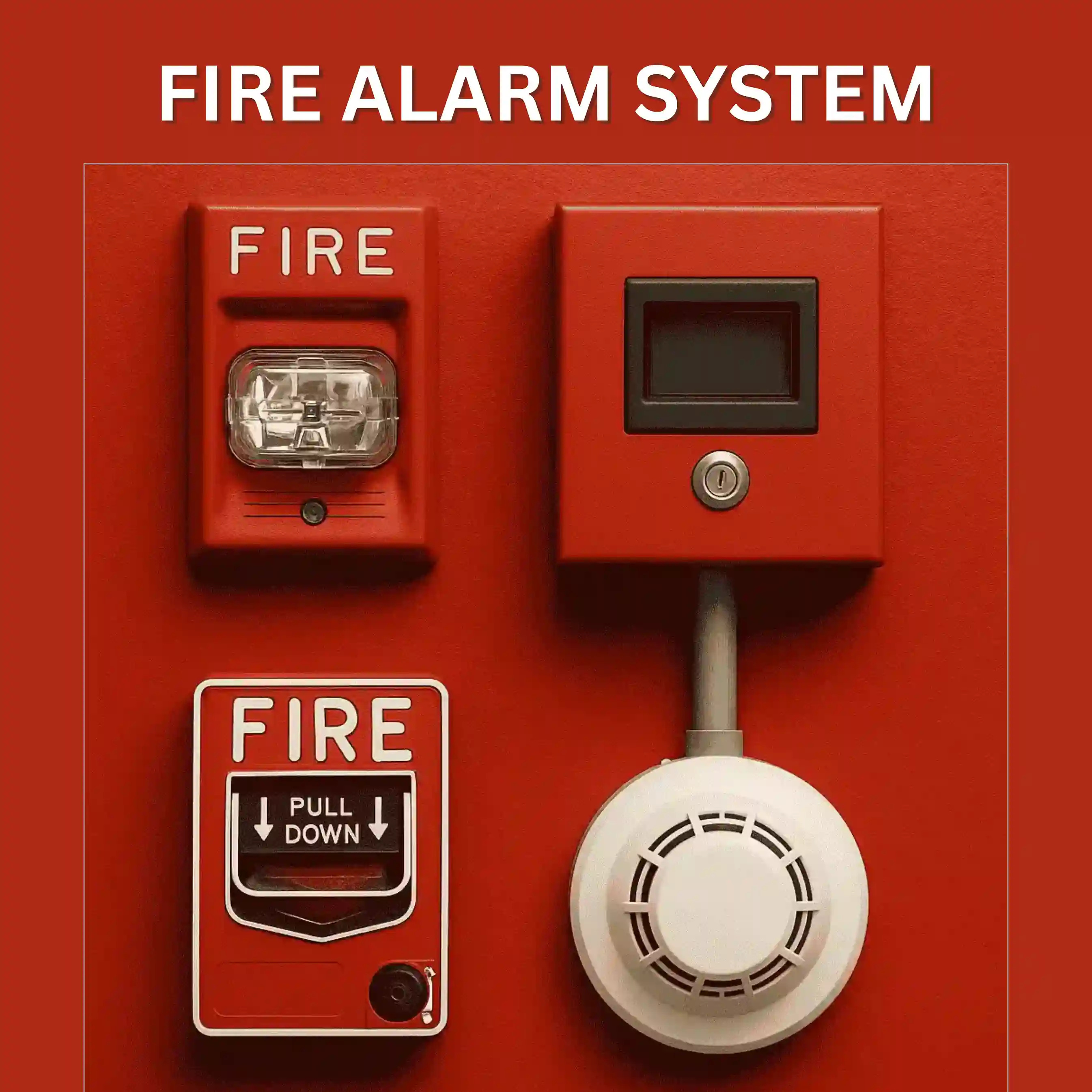
A fire alarm system is a safety system that detects signs of fire such as smoke, heat, or flames and alerts people so they can respond quickly. It can help occupants evacuate, notify designated personnel, and support an organised emergency response. At Zedex Fire Services, we believe that understanding how a fire alarm system works is an important step towards creating safer homes, workplaces, and commercial buildings.
A properly selected and maintained system can provide early warning when every second matters. It should be planned around the building’s layout, occupancy, fire risks, and applicable safety requirements.
A fire alarm system uses detection devices to monitor areas of a building. When a device senses a possible fire condition, it sends a signal to the fire alarm control panel. The panel processes the signal and activates the appropriate warning devices.
A typical sequence looks like this:
Some systems can also connect with other building safety equipment, depending on the system design and site requirements.
The exact equipment varies by building and system type, but many fire alarm systems include the following components:
Choosing compatible equipment and placing it correctly are essential parts of an effective system.
Fire alarm systems are commonly described by how their devices communicate with the control panel and how precisely they identify an alarm’s location.
A conventional system divides a building into zones. When an alarm is triggered, the panel identifies the zone where the signal originated, helping responders narrow down the location.
These systems may suit smaller or simpler buildings, depending on their layout and risk profile.
In an addressable system, each compatible device has an individual address. When a device activates, the control panel can identify its specific location, which can make investigation and response more efficient in larger or more complex buildings.
Wireless systems use radio communication between devices and the control panel rather than relying entirely on wired connections. They may be useful in certain buildings where installing cables is difficult, but the design must account for building conditions, signal coverage, and system requirements.
The most suitable system depends on the site—not simply on which type is newest or most advanced.
Fire alarm coverage should be designed according to the building’s use, size, layout, and potential fire hazards. Systems may be needed in offices, residential buildings, schools, hospitals, hotels, warehouses, factories, and other occupied or high-risk spaces.
During planning, consider:
A qualified fire safety professional can help assess the site and determine suitable equipment and placement.
A fire alarm system is one part of a wider fire protection plan. It provides warning, but it does not extinguish a fire or replace evacuation planning.
For a more complete approach, a building may also need suitable fire extinguishers, clearly marked escape routes, emergency lighting, staff training, and a documented emergency procedure.
In larger or higher-risk facilities, a fire alarm system may be coordinated with other protection measures, such as fire hydrant systems. The exact arrangement should be based on a site-specific fire safety assessment.
Before selecting or installing a system, review the following:
A system is only useful when it is correctly designed, installed, maintained, and understood by the people who may need to respond.
Fire alarm systems should be inspected and tested at intervals appropriate to the equipment, site, and applicable requirements. Maintenance may include checking the control panel, testing detectors and notification devices, inspecting power supplies, and confirming that faults are addressed.
Do not ignore warning indicators, damaged devices, or repeated false alarms. These should be investigated by a competent technician. Keep maintenance records and ensure that any changes to the building are reviewed for their effect on fire alarm coverage.
No. A smoke detector is a device that senses smoke. A fire alarm system may include smoke detectors, other detection devices, a control panel, manual call points, and warning devices that work together.
No single detector is suitable for every fire condition. The appropriate detector type and placement depend on the hazards and environment in each area. A qualified assessment can help determine suitable coverage.
Not usually. Its primary purpose is to detect a possible fire and warn people. Some systems can interface with other building systems, but fire suppression is a separate function that requires its own suitable equipment and design.
Professional design and installation help ensure that the system is appropriate for the building, devices are correctly positioned, and the equipment is properly commissioned. Follow applicable requirements and use qualified personnel.
A fire alarm system helps protect people and property by providing an early warning of a possible fire. Understanding its components, operation, and maintenance needs can help building owners make informed decisions about fire safety.
At Zedex Fire Services, we recognise that effective protection starts with choosing equipment that suits the building and ensuring it remains ready to operate. A well-planned fire alarm system, supported by proper maintenance and a clear emergency procedure, can make an important contribution to a safer environment.