A fire suppression system is designed to control or extinguish a fire using an agent suited to the hazards in a particular area. Depending on the system, that agent may be water, foam, gas, or a specialised chemical. The right choice depends on what could catch fire, the environment, and the equipment or materials that need protection.
For facilities in Gurugram, selecting a fire suppression system begins with understanding the building’s risks and operational needs. Zedex Fire Services supports fire safety equipment and services, including fire suppression solutions.
There is no single suppression system that suits every building. A system designed for an electrical room may not be appropriate for a commercial kitchen or an industrial process area.
Common applications include:
The selection should be made by qualified professionals using the site’s fire risk assessment and applicable requirements.
Before selecting equipment, review the area that needs protection and how it is used. The assessment should identify likely ignition sources, combustible materials, occupancy, ventilation, and any sensitive equipment or processes.
A useful assessment considers:
This information helps establish the design basis and reduces the risk of selecting a system that does not suit the application.
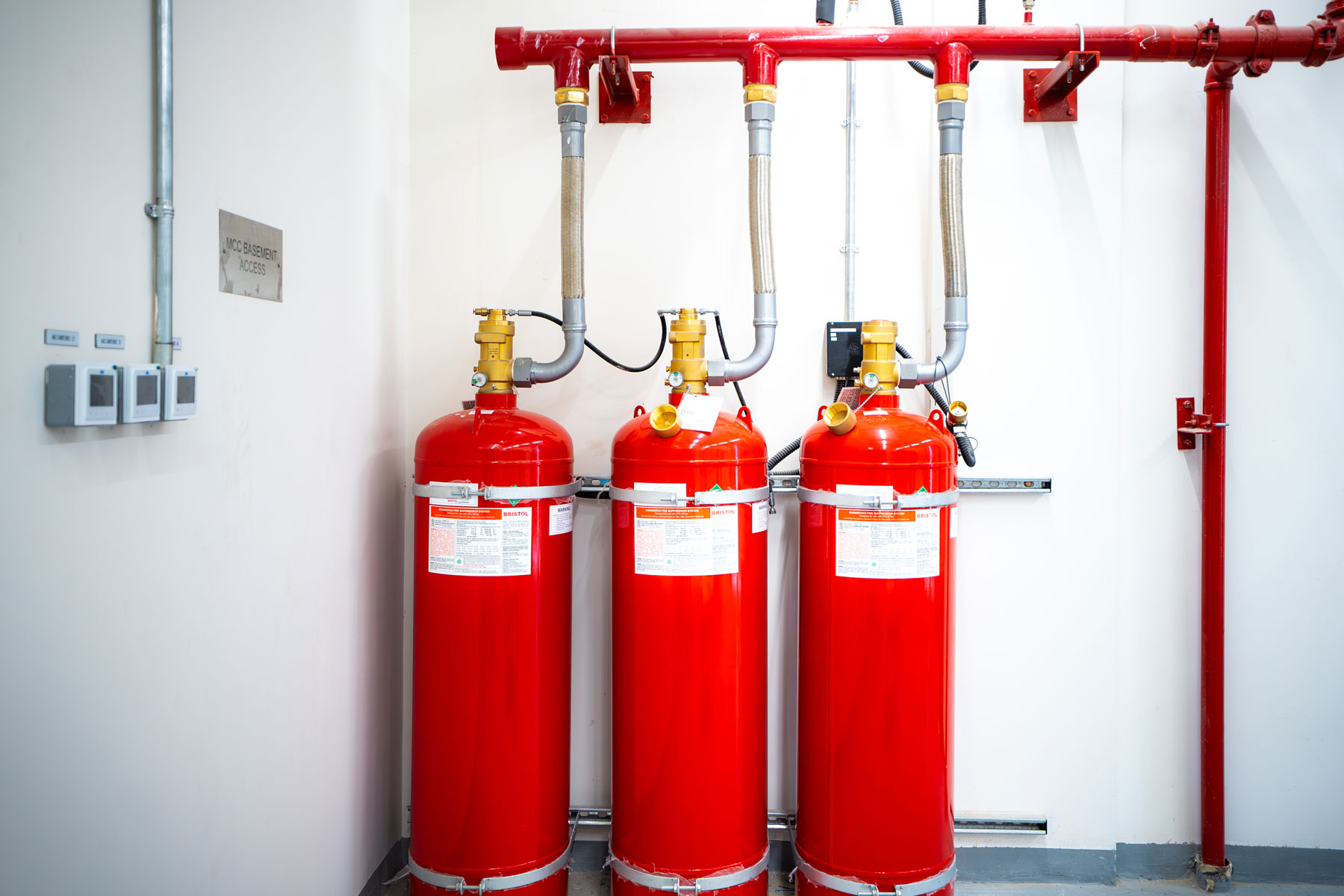
The equipment depends on the suppression method and the site. A system may include an extinguishing-agent supply, storage containers or tanks, pipework or discharge nozzles, detection devices, controls, alarms, and manual release or abort controls where appropriate.
Each part must be compatible with the chosen agent and designed for the area being protected. System documentation should identify how the equipment is intended to operate and what conditions are required for safe activation.
A well-planned installation follows the approved design and the manufacturer’s instructions. The process may involve preparing the layout, installing the agent supply and distribution equipment, positioning detection and discharge devices, and connecting controls or alarms.
Before handover, the system should undergo the required inspection, testing, and commissioning. The building’s responsible personnel should receive the relevant operating instructions, safety information, and maintenance requirements. Installation and commissioning should be handled by competent professionals.
Some suppression agents require additional precautions, particularly in enclosed or occupied spaces. The system design should consider how occupants will be warned, how evacuation will take place, and whether ventilation or other controls are needed before or after discharge.
The system should not be treated as a substitute for evacuation planning or emergency response. People who work in the protected area should understand the alarms, warning signals, and procedures that apply to their site.
A suppression system needs planned inspection and maintenance so its components remain in suitable condition. The maintenance schedule should follow the manufacturer’s instructions, the approved design, and applicable requirements.
Depending on the system, checks may include:
Any fault, discharge, or change in the protected area should be assessed by competent personnel before the system is relied upon again.
A suppression system performs a specific role within a building’s overall fire protection arrangement. Depending on the site, other measures may include fire detection and alarm equipment, portable extinguishers, emergency lighting, escape routes, and staff training.
For example, fire alarm systems can provide warning, while suitable fire extinguishers may support an initial response to certain small fires when it is safe to do so. These measures should be coordinated based on the site’s risks.
When evaluating a provider, ask how the proposed system addresses the specific hazard, what agent and equipment are being recommended, and what safety measures are required for the protected area.
It is also worth confirming the scope of design, installation, commissioning, documentation, and ongoing maintenance. A clear plan helps building owners understand how the system is intended to work and what responsibilities continue after installation.
A fire suppression system is most effective when it is selected for the actual hazard and supported by careful design, professional installation, and regular maintenance. The system should also work alongside the building’s alarms, evacuation procedures, and other fire safety measures.
Zedex Fire Services supports fire safety planning and equipment requirements for properties in Gurugram. A site-specific assessment can help establish the right approach for the space, its risks, and its operational needs.