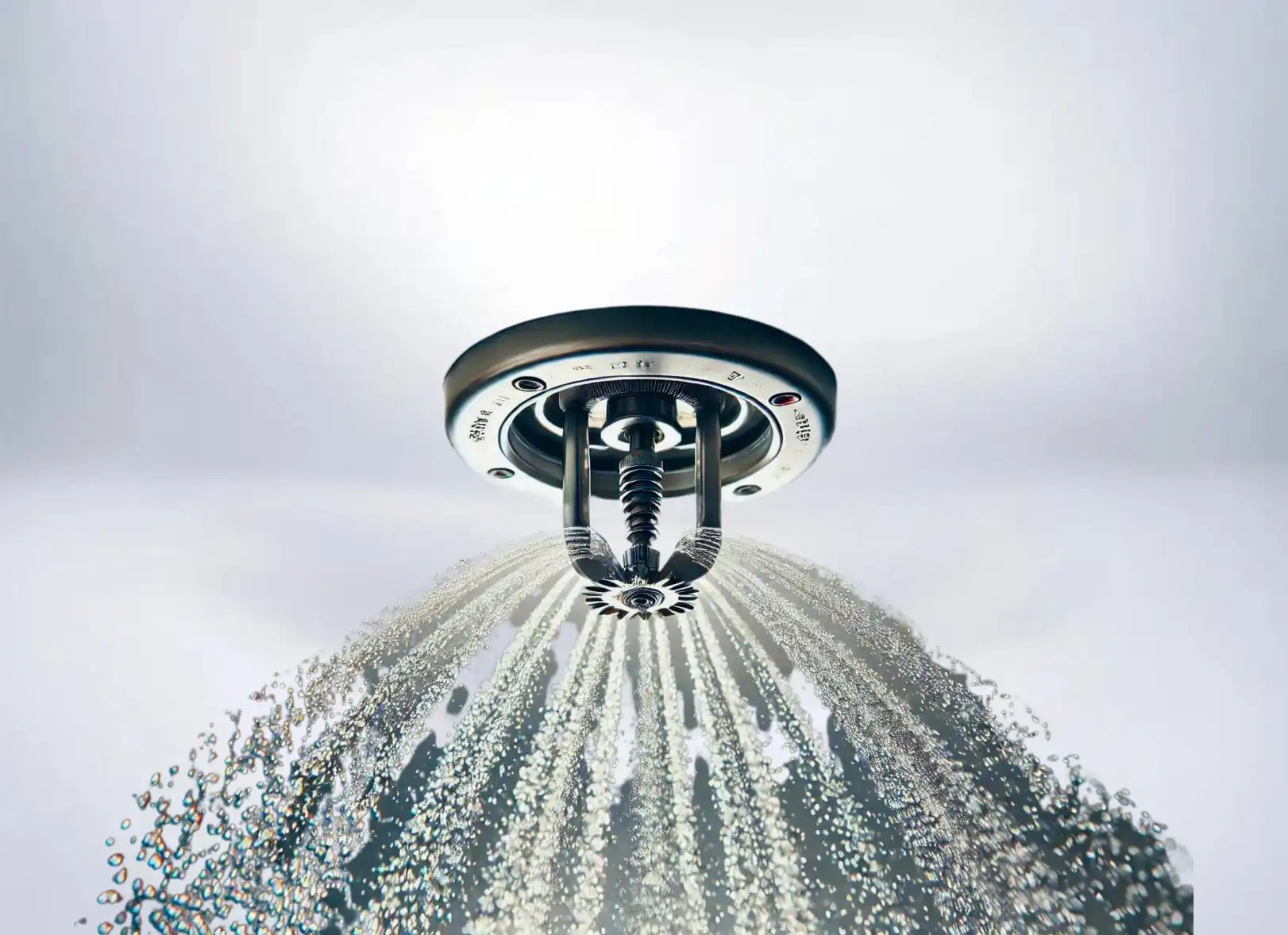
A fire sprinkler system is a fixed fire protection system designed to release water when its sprinkler heads are activated by heat. It can help control or suppress a fire near its point of origin, limiting its spread while people evacuate and emergency responders are contacted.
For commercial and industrial properties in Gurugram, the system should be designed for the building’s use, layout, fire hazards, water supply, and applicable requirements. Zedex Fire Services supports fire safety equipment and services, including sprinkler systems.
Most standard sprinkler heads operate individually when exposed to a specific temperature. When a head activates, water is discharged over the protected area. Other heads may activate if the fire’s heat reaches them.
A sprinkler system is not a replacement for alarms, evacuation procedures, or emergency response. It is one part of a coordinated fire safety plan.
The right sprinkler arrangement depends on the building’s environment and the materials or processes inside it. System selection should be based on a qualified assessment rather than a one-size-fits-all approach.
Common system types include:
The suitable type depends on the site’s risks, operating conditions, and design requirements.
A sprinkler system design needs to account for the building’s purpose and physical conditions. A warehouse, office, hotel, and manufacturing facility may have very different protection needs.
Design considerations can include:
A qualified professional should determine the system design and verify that it meets the requirements for the specific property.
The components vary with the system type, but a typical installation may include:
Correct selection and installation help ensure that the components work together as intended.
Installation should follow approved drawings, manufacturer instructions, and site requirements. The work may involve fitting the pipe network and sprinkler heads, installing valves and pumps, connecting monitoring devices, and coordinating with other building systems.
Before handover, the system should undergo the required inspection, testing, and commissioning. Any identified defects should be addressed, and the owner or facilities team should receive the relevant operating and maintenance information. Installation and commissioning should be carried out by competent personnel.
A sprinkler system needs routine inspection and maintenance, even if it has never activated. Checks should follow the equipment instructions, approved design, and applicable requirements.
Maintenance may include:
Changes to the building’s layout, storage, or use should be reviewed because they may affect sprinkler coverage or performance.
Sprinklers are designed to respond to heat and discharge water; they do not provide the same function as a fire alarm. A complete fire safety plan may also include detection and warning equipment, evacuation procedures, emergency lighting, staff training, and suitable portable extinguishers.
For example, fire alarm systems can alert occupants, while fire extinguishers may be used for certain small fires when it is safe to do so. These measures should be selected and coordinated according to the building’s risks.
When comparing providers in Gurugram, ask how the proposed system will address the site’s specific risks and requirements. Review the design basis, equipment specifications, installation plan, commissioning process, and arrangements for future maintenance.
It is also useful to confirm who will be responsible