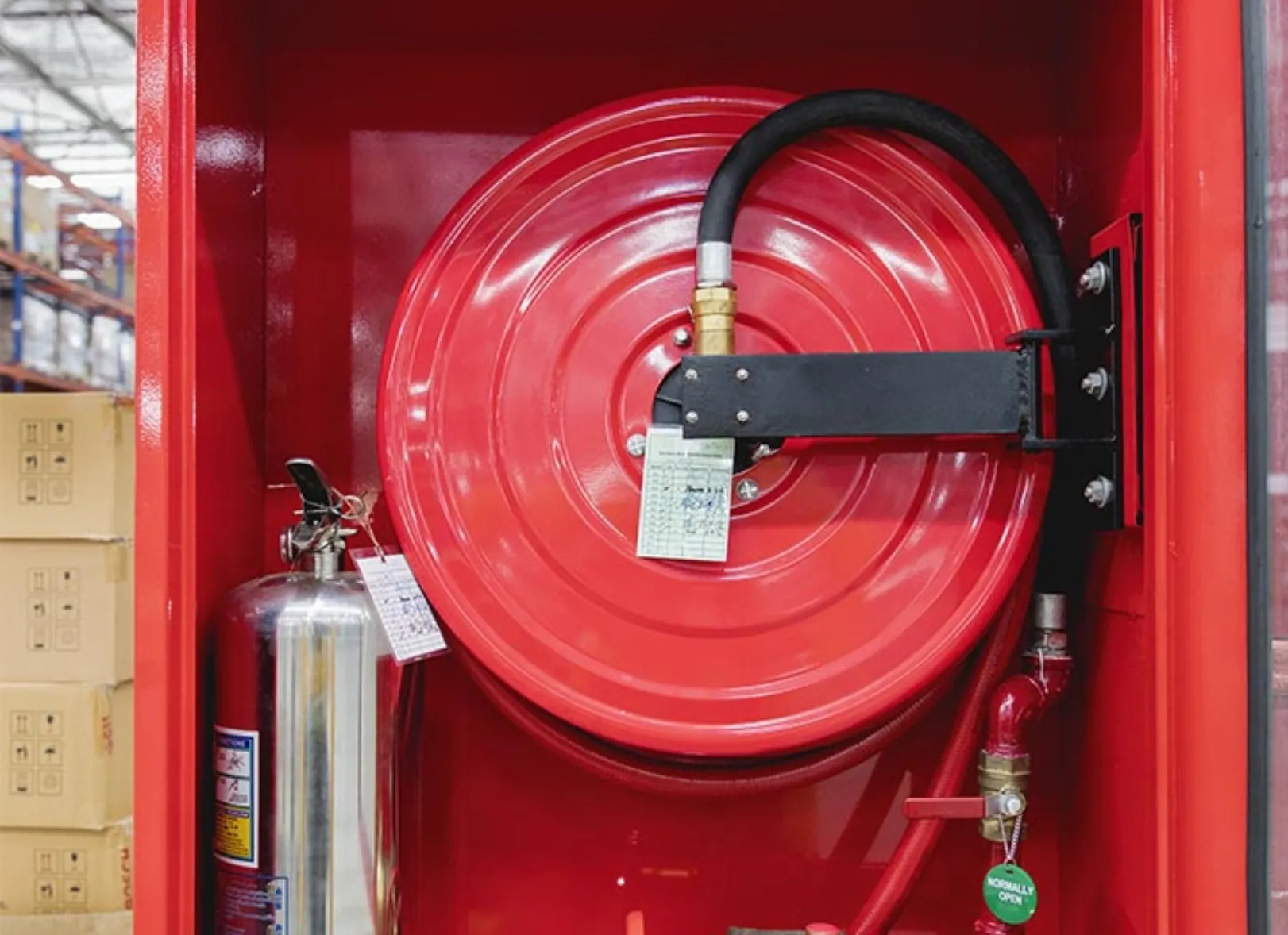
A fire hydrant system provides designated water outlets for trained responders during a fire emergency. In commercial buildings, factories, warehouses, and other facilities, it can form an important part of the site’s fire protection plan.
For properties in Gurugram, the system needs to be designed around the building’s layout, occupancy, potential fire hazards, water supply, and applicable requirements. Zedex Fire Services supports fire safety equipment and services, including fire hydrant systems.
A hydrant system moves water from an approved source to selected points around a property. Depending on the design, the arrangement may include a water tank, pumps, pipework, valves, hydrant outlets, and hose equipment.
When a fire occurs, trained responders access the designated outlet, connect the appropriate equipment, and use the water supply as part of the emergency response. The system’s operation depends on its design and should be covered by site procedures and training.
The design process should start with the site—not a standard equipment list. A system suitable for one building may not be appropriate for another because height, occupancy, layout, fire hazards, and water availability can differ significantly.
Key planning considerations include:
The final design should be prepared or reviewed by qualified professionals in accordance with applicable codes, standards, and authority requirements.
The equipment selected for a project depends on its approved design. Common elements may include:
Each component needs to be compatible with the rest of the system and suitable for the conditions in which it will operate.
Installation should follow approved drawings, equipment instructions, and site requirements. Work may include setting up the water supply and pumps, installing pipework and hydrant outlets, and connecting valves and controls.
Before the system is put into service, it should undergo the required inspections, testing, and commissioning. Any issues identified during these checks should be resolved and documented. Installation and commissioning should be handled by competent personnel.
A hydrant system may remain unused for long periods, so planned inspection and maintenance are essential. A maintenance programme should follow the equipment instructions, approved system design, and applicable requirements.
Checks may include looking for leaks, corrosion, damage, or blocked access; testing pumps and controls; confirming water availability and system performance; and keeping records of inspections, tests, and repairs. Changes to the building or its use should also be reviewed to determine whether the system needs adjustment.
A hydrant system is not a complete fire safety plan on its own. Depending on the building’s risks, other measures may include alarm and detection equipment, portable extinguishers, emergency lighting, clear escape routes, and staff training.
For example, fire alarm systems provide warning, while suitable fire extinguishers can support an initial response to certain small fires when it is safe to do so. These systems have different roles and should be planned together where required.
When reviewing a fire hydrant system provider, look beyond the equipment list. Ask how the proposed design will address the site’s risks, what documentation will be provided, how installation and commissioning will be managed, and what support is available for inspection and maintenance.
A useful starting point is a site-specific assessment. It helps identify the building’s needs and provides a clearer basis for selecting equipment and planning the system.
For larger premises, a hydrant system may also need to be considered alongside other measures, such as fire hydrant system solutions, based on the building’s requirements.
A fire hydrant system can provide an important water supply for emergency response, but its performance depends on more than installation alone. Careful design, suitable equipment, commissioning, and regular maintenance all contribute to system readiness.
For buildings in Gurugram, Zedex Fire Services can help customers understand fire hydrant system requirements and related fire safety measures. The right approach begins with assessing the site and building a system around its actual needs.