A fire extinguisher supplier in Gurugram can help homes, offices, shops, and industrial facilities choose equipment suited to their fire risks. Zedex Fire Services supports fire safety planning by helping customers understand different extinguisher types, their intended uses, and the importance of proper maintenance.
The right extinguisher depends on the materials present, the type of fire that could occur, and the environment where the equipment will be kept. Choosing by price or appearance alone may leave a building with equipment that is unsuitable for its hazards.
Different fires require different extinguishing agents. Using an unsuitable extinguisher can be ineffective and may create additional danger—for example, water should not be used on live electrical equipment.
Before selecting an extinguisher, consider:
A site assessment can help determine the appropriate type, capacity, and placement.
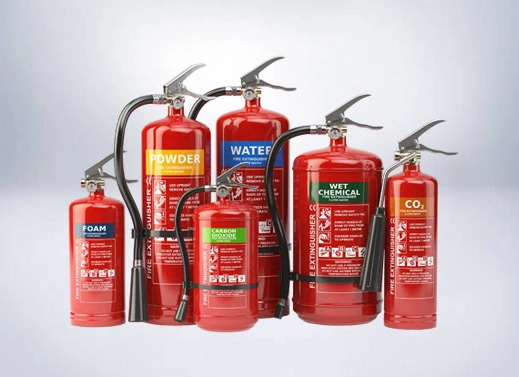
The extinguisher should match the fire risk. Common types include:
ABC extinguishers are used for certain fires involving ordinary combustible materials, flammable liquids, and gases. They are often considered for mixed-risk environments, but the exact suitability should be checked against the hazards and equipment in the area.
Carbon dioxide extinguishers are commonly used for certain flammable-liquid and electrical-equipment fire risks. They do not leave powder residue, but they are not suitable for every fire type and should be selected with the surrounding environment in mind.
Foam extinguishers may be suitable for certain fires involving flammable liquids and ordinary combustible materials. They should not be used on live electrical equipment unless the specific product is rated for that use.
Water extinguishers are intended for certain fires involving ordinary combustible materials, such as paper and wood. They must not be used on live electrical equipment or flammable-liquid fires.
For product options, see Zedex Fire Services’ fire extinguisher range.
The best choice depends on the use of the space and its potential hazards.
These are general considerations, not a substitute for a fire risk assessment. A qualified professional can recommend suitable equipment and placement for the specific premises.
Before purchasing, confirm that the extinguisher is appropriate for the intended fire risk and that its documentation and condition are satisfactory.
Check the following:
Ask a supplier to explain the product’s intended use and any limitations before making a selection.
Extinguishers should be positioned where they can be reached easily without blocking escape routes or exposing users to unnecessary risk. Their location should be clearly indicated, and occupants should know where they are and how to raise the alarm.
Regular inspection and maintenance are also important. Follow the manufacturer’s instructions and applicable requirements, and arrange servicing by competent personnel. Any extinguisher that is damaged, discharged, or otherwise unfit for use should be assessed and replaced or serviced as appropriate.
Fire extinguishers are only one part of a building’s fire protection plan. Depending on the site, other measures may include fire alarm systems, emergency lighting, evacuation procedures, and staff training.
Selecting fire safety equipment involves more than choosing a product. It also means understanding the risks in the building, selecting suitable equipment, and planning for ongoing readiness.
Zedex Fire Services works in the fire safety equipment and services sector. Customers can discuss their site requirements and seek guidance on selecting suitable products and related fire protection measures. The final choice should always be based on the building’s specific risks and applicable requirements.
For larger premises, a fire safety plan may also need coordinated protection measures, such as fire hydrant systems, where appropriate to the site.
Place extinguishers where they are visible and accessible, near relevant risk areas but not where a fire could prevent people from reaching them. Follow applicable requirements and professional guidance for exact placement.
No. Extinguishers are designed for specific fire risks. Check the extinguisher’s label and make sure it is suitable for the materials and equipment in the area.
Inspection and servicing intervals depend on the extinguisher, manufacturer’s instructions, and applicable requirements. Establish a regular inspection process and arrange servicing by competent personnel.
Yes, where employees may be expected to use extinguishers, suitable training can help them understand safe operation and when evacuation is the better response. People should never attempt to fight a fire if doing so puts them at risk.
Choosing a suitable fire extinguisher is an important part of protecting people, property, and business operations. The right equipment depends on the fire risks in the building, and it must be installed, inspected, and maintained so it is ready when needed.
For homes, offices, commercial premises, and industrial facilities in Gurugram, Zedex Fire Services can help customers understand fire extinguisher options and related fire safety requirements. A considered selection, supported by professional guidance and a clear emergency plan, can help create a safer environment.